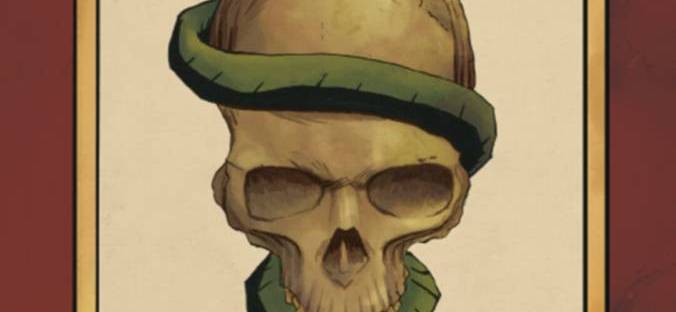
One part Western, one part ‘whatever-we-can-call-Boylan’s-creative-madness’, Will Sinister is one of a few new books launching at this year’s Dublin Comic Con; we were lucky enough to be sent an advanced review copy. Hugo Boylan (Malevolence, High Fantasy, Black White and Grey, Superhero Helpdesk… you get the picture yet?) teams up with artist John Quigley (Malevolence) and letterer Kerrie Smith (Girls Like You, Superhero Helpdesk) to bring us a new tale of death, violence, and broken expectations. With Dearbhla Kelly on cover colours, it makes for a pretty package with a rustic interior.
There’s an expectation from the book’s beginning for there to be some traditional gun-slinging and contextually appropriate racism (maybe not slurs, exactly…but hate), and in many ways we’re not disappointed. There’s a clear divide between the “cowboys” and natives, and an unravelling tale behind this particular snippet of history.
Typical of Boylan, there’s a twist in the feel of the book; also typical of him is the unpredictability of when something like this will happen. The particular splicing of spirituality with the Western tale is reminiscent of Jonah Hex and Preacher, and while the later arc of the book raises a few questions about the history of the comic’s scruffy protagonist that aren’t quite addressed, the blending of the natural and the supernatural works incredibly well in Will Sinister, while preserving the character’s dodgy integrity.
Quigley’s art gives the story a rustic, wild feel, perfect for the brutality of the dark reality of the era. Expertly capturing distress, agony and disgust, and he creates a visually disturbing narrative, with a few choice character designs standing out. As a bonus, the book contains the concept art for Sinister and his most intimate, primal companion. Perhaps its a bias for Irish small press, but it stands out as one of my favourite representations of the character.
Adding to the tale are Smith’s experienced lettering hands. There’s a sense of power given to certain characters, and the barriers between the natural and the supernatural are broken down further still with her inclusion in the book.
If I had to criticise the book, my one judgement would be that I felt like we’re left with a loose end or two by its final page, and no promise within its pages of a follow-up. Maybe it’s a personal thing, and a familiarity with continuing narratives across multiple books, but when a book ends the way Will Sinister does, I’d like to think there might be something to come later, and an opportunity for unanswered questions to be resolved. Don’t let it put you off picking up Will Sinister at Dublin Comic Con; think of this as an excuse to keep an extra close eye on future releases from this team of creators.
(Update: the story will continue. Confirmed by Hugo Boylan shortly after this review went live.)
Follow the creators on Twitter:
Hugo Boylan: @hugoboylan
John Quigley: @johnquigley209
Dearbhla Kelly: @dearbhlala
Kerrie Smith: @pocketkerrie


 Entering the Fumbally Stables, attendees were greeted by Matthew Melis and Debbie Jenkinson, two of the organisers for the day. Matthew put together the market side of things, while Debbie arranged the panels. She was also responsible for the massive selection of comics for sale on the way in, from her, Sarah Bowie, Matthew, Paddy Lynch, Philip Barrett and more.
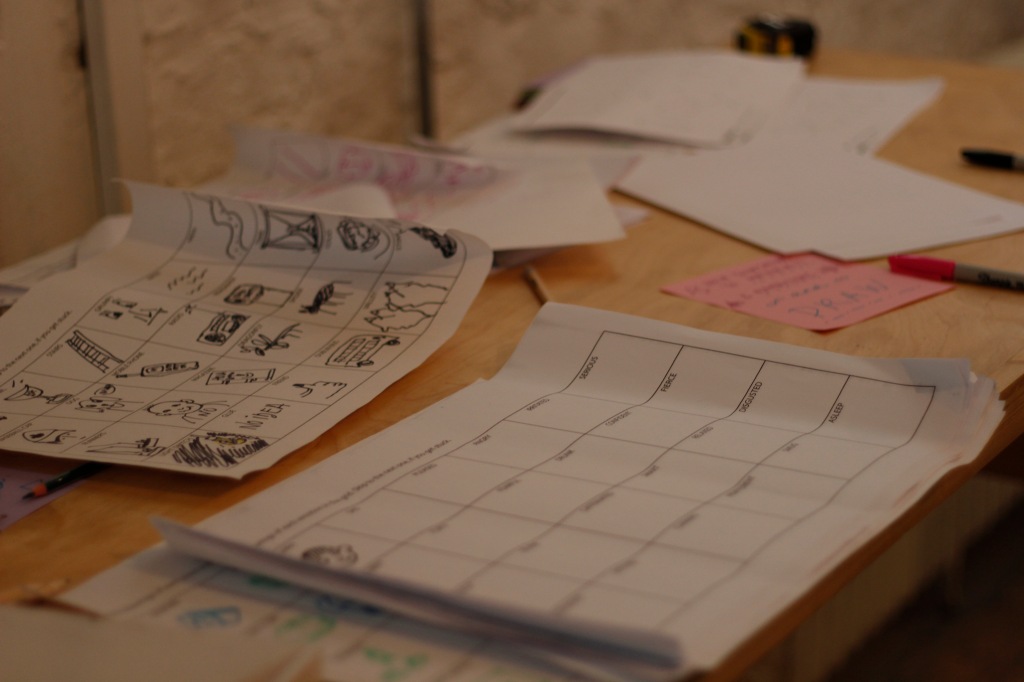
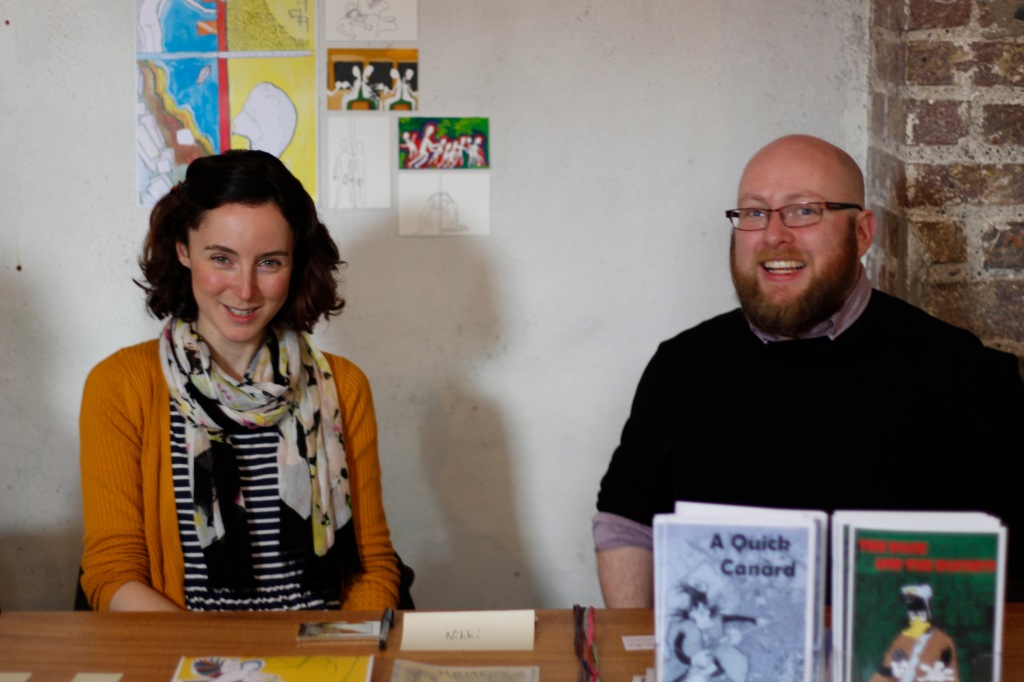 Nikki Foster and Hugh Madden were next in line. Nikki had a range of zines of varying sizes with her, which helped to showcase the variety of styles available in the Irish comics scene. Hugh had a range of strange tales featuring anthropomorphised animals – obviously I had to get my hands on them.
 Pushing the limits of awesome strangeness were All Things Thom and Miriam Rodriguez. Thom had possibly the widest range of things with her, from t-shirts to stickers, prints and zines – including The Thom Guide to: What To Say When You Don’t Know What to Say, which she says she’s used at parties. Miriam had a range of Spanish-language comics with her, including one that had she censored on a second printing – roughly translating as ‘things that are a pain in the ass’, and featuring said pained-ass on the cover.
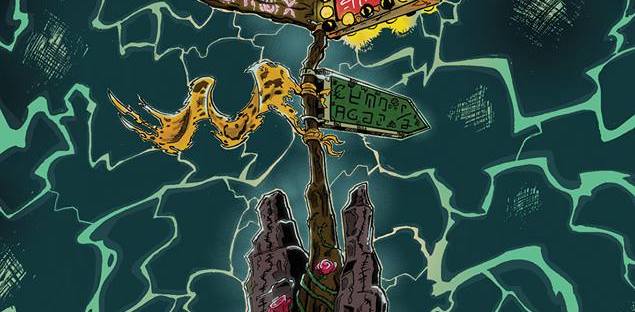
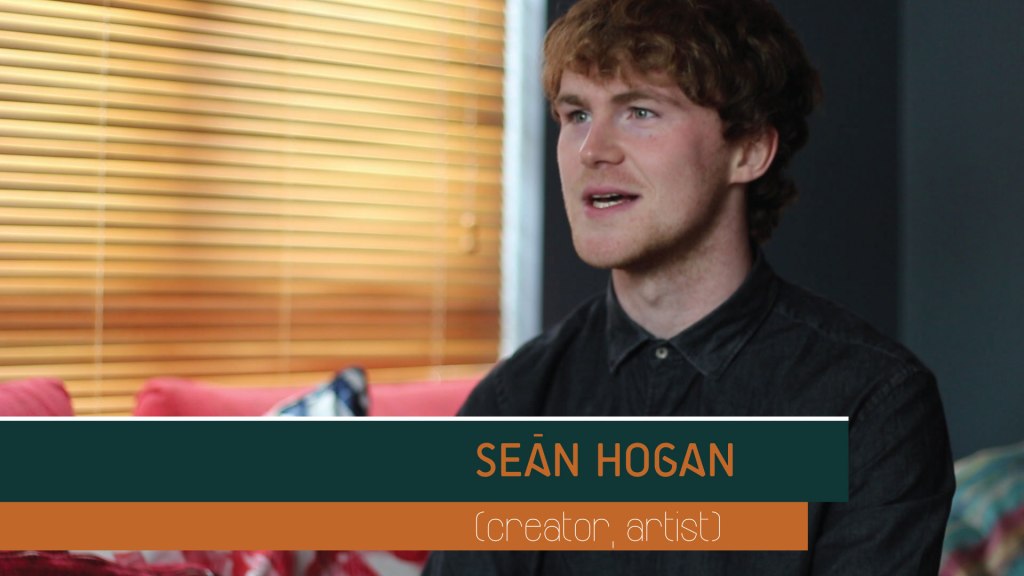
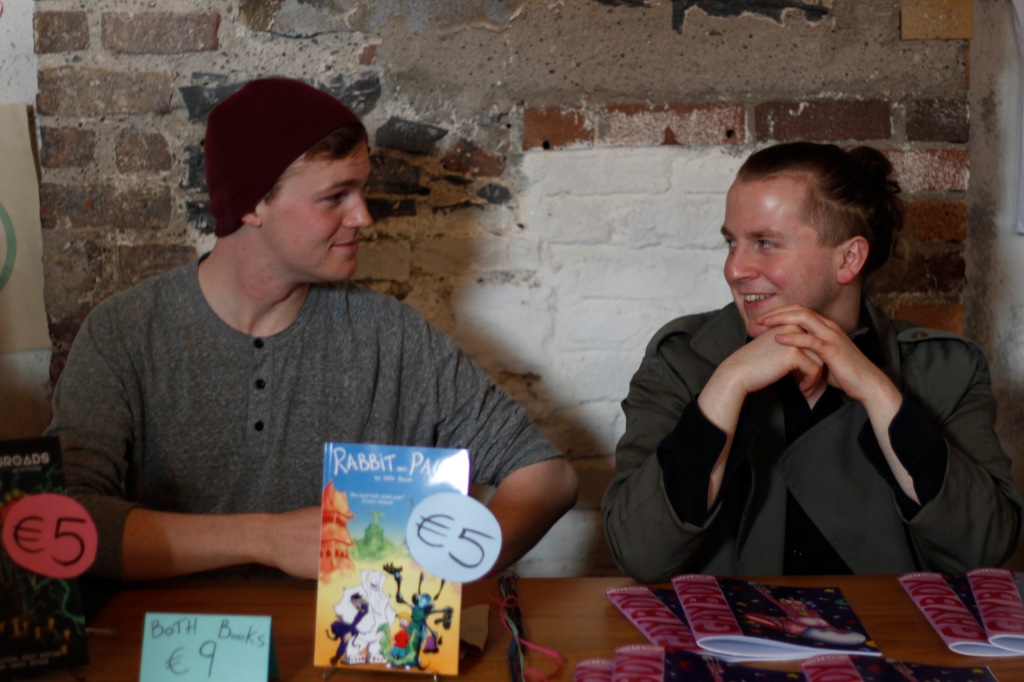 Seán Hogan and Dylan Drennan extended the diversity of Irish comics available on the day at the next table down. Seán brought Project Crossroads and Rabbit and Paul with him, respectively a sci-fi-fantasy-horror anthology and all-ages comics about a boy from Bally’O’Jhaysus who buys an anthropomorphised rabbit. (Try saying that with your mouth full!) Dylan, AKA Skabag, had Gayboy with him, a fun collection of artwork from someone who’s only just entering the scene with a book.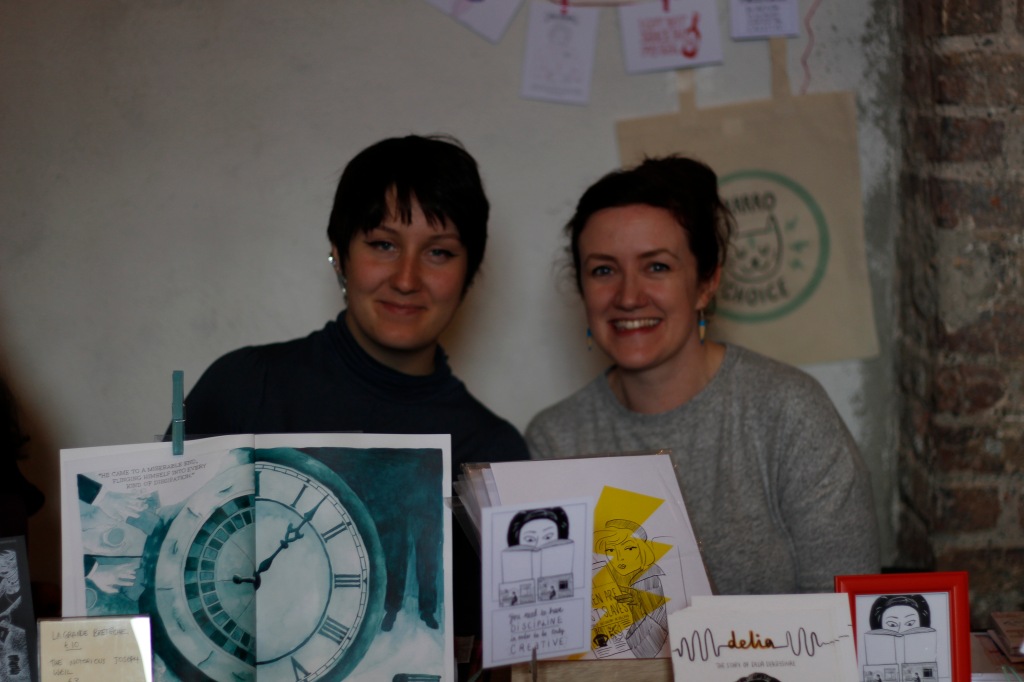




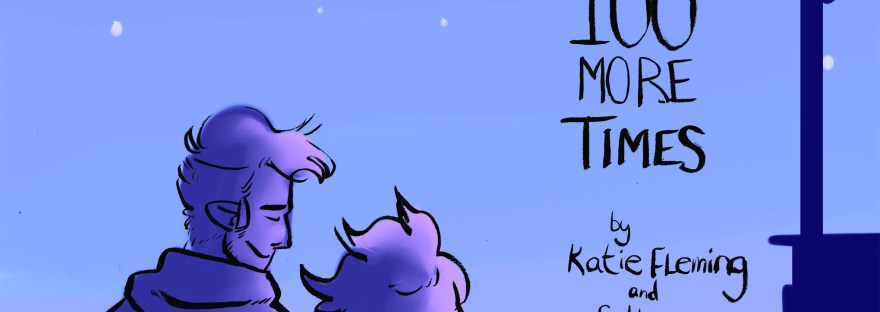
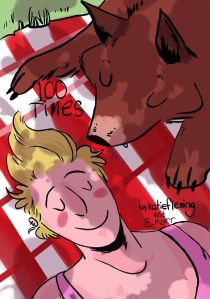 Let’s be clear early on: Quill’s werewolf nature is mostly a plot device. He doesn’t eat people throughout the book. (Spoiler? I mean, these aren’t horror comics.) Instead, Fleming and Kerr use other aspects of being a werewolf as elements of the story – most notably in the first book, the pack. Every werewolf has a pack, and it’s this introduction of Myran to Quill’s pack that becomes the centre of the first story.
 Comix Ireland